


Reminder: Avenal Cutoff Full Closure As a reminder, a full closure is currently in effect on the Avenal Cutoff due to the ongoing Phase III road work project that started on August 24, 2026.
The closure means drivers should not expect to use the Avenal Cutoff as a through route. Motorists traveling in the area will need to follow posted detour signs, watch for changeable message boards, and allow extra time while crews begin work.
The current notice states that the closure is expected to remain in place through November 17, 2026, though that date may change based on construction progress, weather, or other conditions that come up during the project.
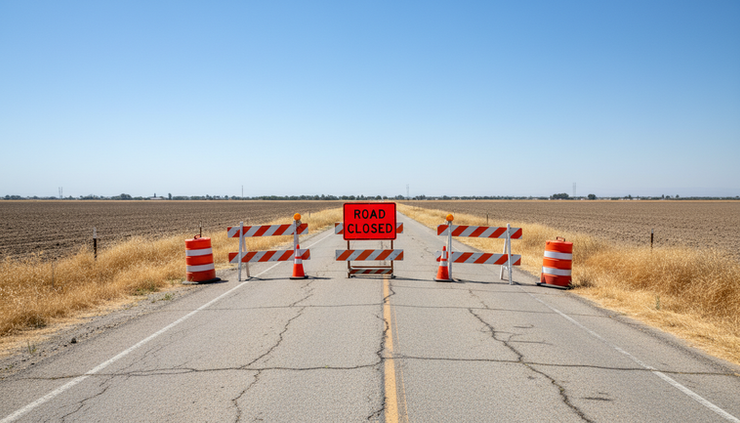
What changed today
Construction officially begins today on the Avenal Cutoff Phase III Project, and the road closure starts with it.
For motorists, the most important change is simple: the Avenal Cutoff is closed to through traffic. Drivers who normally use the route to save time or connect between nearby roads should adjust their plans before heading out.
Crews are also installing changeable message signs at major intersections. These signs are intended to give drivers advance notice before they reach the closure area. They may warn of the road work, direct traffic toward detour routes, or share other temporary traffic information as conditions change.
The notice does not list every intersection or detour road by name, so drivers should rely on the posted signs in the field. Road work areas can change quickly, especially during the first days of a closure, and the signs placed by crews will provide the most current instructions for motorists approaching the area.
This is not a short lane shift or a brief flagging operation. The notice calls for a full road closure beginning today, with no through traffic on the Avenal Cutoff during the active construction period.
Key details for motorists
The most useful information can be summed up in a few points:
Item | Current notice |
Road affected | Avenal Cutoff |
Project | Phase III road work |
Closure begins | Monday, August 24, 2026 |
Traffic impact | Closed to through traffic |
Current expected end date | November 17, 2026 |
Driver action | Use posted detours and allow extra time |
Possible changes | Timeline may shift due to progress, weather, or unforeseen issues |
The phrase closed to through traffic matters. It means motorists should not use the route as a pass-through corridor while the closure is active. If a driver is not traveling for a permitted local reason within any accessible area, the safer and proper choice is to follow the detour.
Drivers should not attempt to move barricades, bypass signage, or use unmarked side routes to get around the work zone. Doing so can create safety risks for construction crews, emergency responders, other drivers, and the driver trying to get through.
The safest plan is to make detours part of the trip before leaving. That may mean checking the route earlier than usual, giving more time for school, work, appointments, deliveries, or farm-related travel, and being ready for slower movement near work zones.
Why drivers should plan for extra travel time
A road closure can add time in several ways. The detour itself may be longer, but that is only part of the delay.
Drivers may also encounter:
Slower traffic near detour signs
Drivers making last-minute turns after realizing the road is closed
Construction vehicles entering or leaving the work zone
Temporary stops or traffic control near active equipment
Message signs that require drivers to reduce speed and read instructions
Increased traffic on roads that usually carry fewer vehicles
Even when a detour looks simple on a map, real-world traffic can change once a major route closes. Commuters, delivery drivers, agricultural traffic, school trips, and local errands may all shift onto the same alternate roads.
That is why the notice urges motorists to allow additional travel time. Leaving a few minutes early may not be enough for some trips, especially during peak travel periods or when crews are moving equipment.
A better approach is to treat the first several days of the closure as an adjustment period. Traffic patterns may settle after drivers learn the detours, but the first week often brings the most confusion.

How to travel safely around the work zone
Construction zones require more attention than normal driving conditions. Workers may be close to traffic, equipment may enter the roadway, and lane markings or traffic patterns may look unfamiliar.
The main guidance is to follow all posted detour signs and use caution around construction crews and equipment.
That means drivers should:
Reduce speed when approaching signs, cones, barricades, or workers
Avoid sudden turns after seeing a closure sign
Keep a safe distance from other vehicles
Watch for trucks and heavy equipment moving in and out of the area
Follow directions from flaggers or traffic control personnel if present
Stay on marked detour routes
Avoid distracted driving near the closure
A work zone is not the place to check a phone, adjust navigation repeatedly, or debate a turn at the last second. If directions seem unclear, the safest choice is to continue to a safe place, pull over where allowed, and review the route.
Drivers should also be patient with other motorists. Some people may be learning the detour for the first time. Others may be driving larger vehicles that need more space to turn or slow down. A little extra space can prevent near misses and keep traffic moving.
What the timeline means
The current anticipated closure period runs from August 24, 2026, through November 17, 2026.
That gives drivers a general planning window, but it is not a guarantee that every condition will stay the same from the first day to the last. The notice states that the timeline may change depending on construction progress, weather, or unforeseen circumstances.
That kind of flexibility is common on road projects. Crews may move faster than expected in some phases and slower in others. Weather can delay certain types of work. Equipment issues, site conditions, or material schedules can also affect the pace.
For motorists, the key point is to stay alert for updates rather than relying only on the original end date. A driver who checks signs and notices regularly will be less likely to be surprised by a change in traffic control.
If the project schedule changes, drivers should expect message signs, posted detour information, or local updates to reflect the latest available guidance.
What posted detours are designed to do
Detours are set up to move traffic around the closed area in a safer and more orderly way. They are not always the shortest possible route, but they are intended to handle traffic better than improvised shortcuts.
A posted detour may take into account road width, turning space, visibility, surface conditions, and the ability of the route to handle more vehicles. That is especially important in rural areas where some roads may not be suitable for heavy traffic or large vehicles.
Following posted detour routes helps reduce confusion for everyone. It also helps keep traffic away from active construction areas where crews need space to work.
Navigation apps can be useful, but they may not always reflect a new closure immediately. If an app gives directions that conflict with road signs, drivers should follow the posted signs on the road.
How the closure may affect daily routines
A longer closure can affect more than a single trip. People who regularly travel through the area may need to rethink daily timing until the project is complete.
Morning and afternoon routines may need the most attention. A route that worked last week may no longer be realistic if it depends on the Avenal Cutoff. Drivers heading to work, school, medical appointments, errands, or deliveries should build in a time cushion.
Agricultural and service traffic may also need extra planning. Larger vehicles often need more room and may move more slowly along alternate routes. Drivers should expect that some detour roads may see traffic they do not normally carry.
Anyone coordinating rides, deliveries, or appointments should share the closure information ahead of time. A short message before a trip can prevent missed connections or late arrivals.
The most helpful habit is to check conditions before leaving, then follow signs once on the road. If the trip is time-sensitive, leave earlier than usual.
What to watch for during the first week
The first week of a road closure often brings the biggest adjustment. Drivers who use the Avenal Cutoff by habit may approach the area before remembering that it is closed. Others may slow down suddenly when they see a message board or barricade.
Motorists should be ready for:
More stopping and turning near closure points
Slower traffic near major intersections
Detour signs that may be new or unfamiliar
Construction vehicles moving in the area
Drivers making mistakes as they learn the new pattern
Extra caution is especially useful near intersections where message signs are being installed. Crews working near a roadway may need room for vehicles, tools, and sign equipment.
A safe speed gives drivers time to read signs, choose the correct turn, and react if another vehicle slows suddenly.

Where updates will come from
Important Reminder: Current Road Updates
As we transition into the busy fall season, it's crucial to stay informed about local road conditions. While this reminder was initially posted on August 24, we want to reiterate its significance as of August 31.
Drivers are encouraged to regularly check for the latest updates on road conditions from Caltrans, which provides real-time information on major roadways in our area. Being aware of any changes can help ensure safe travels for everyone.
The Avenal Press Local News has committed to keeping the community informed and will continue to share updates as new information becomes available. Stay tuned for further announcements and drive safely!
For now, drivers should rely on the official closure details in the notice and the signs posted in the field. The most current direction for a driver already on the road will come from barricades, detour signs, changeable message signs, and any traffic control personnel present near the work zone.
Because the timeline may shift, motorists should keep watching for new information as the project moves forward. Updates may include schedule changes, detour reminders, revised traffic control, or notice when the road is ready to reopen.
The headline remains clear for today: Avenal Cutoff Closed for Phase III Road Work Begins Today, and drivers should plan around the closure now.
The bottom line for drivers
The Avenal Cutoff is closed to through traffic beginning Monday, August 24, 2026, as Phase III construction gets underway. The current anticipated closure runs through November 17, 2026, but the schedule may change.
Drivers should use posted detours, allow extra time, and stay alert near construction crews and equipment. The safest move is to plan before leaving, follow the signs on the road, and expect traffic patterns to take time to settle.
Reporting /
Avenal-Press Local News
Carlos Saldana


